SwellMed Medical
1 / 5
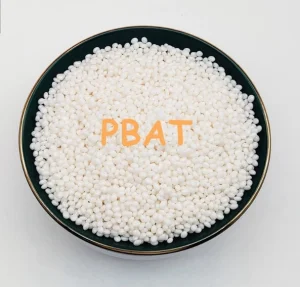
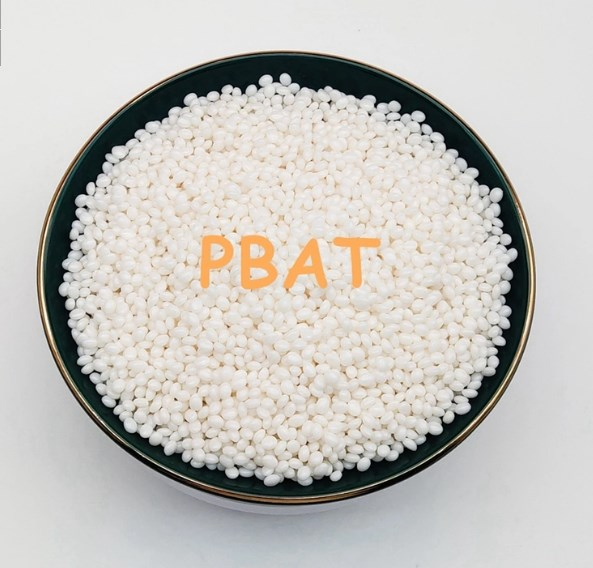
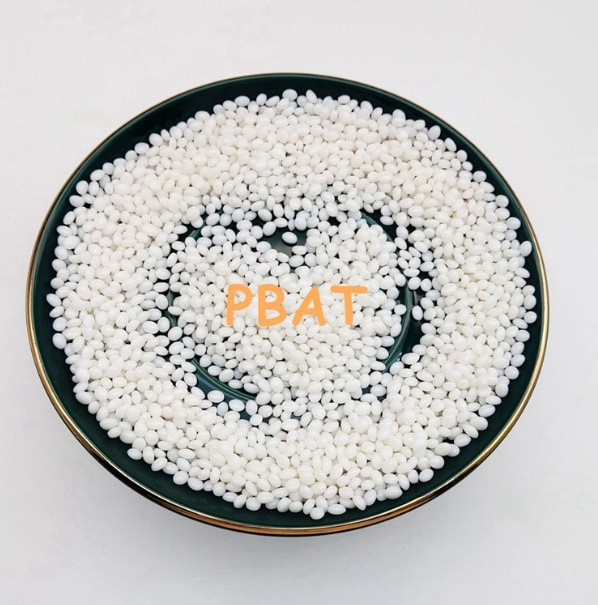
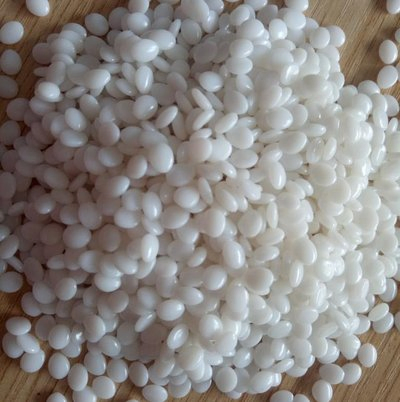
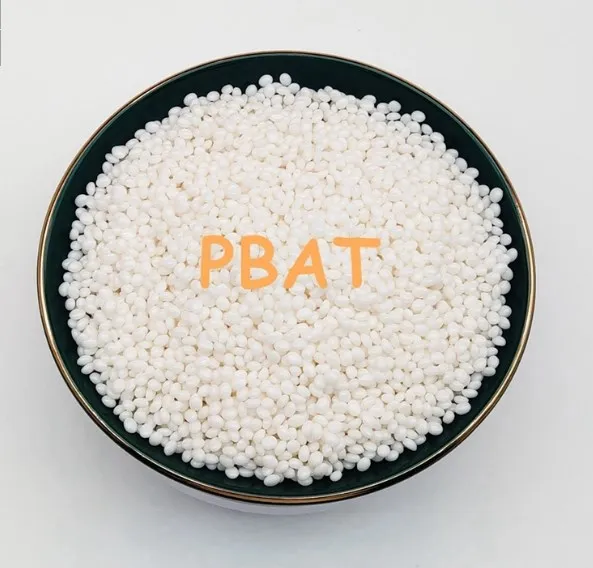
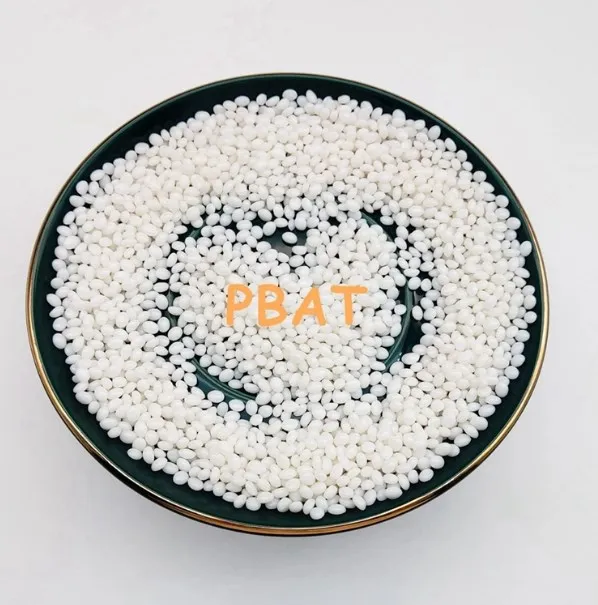
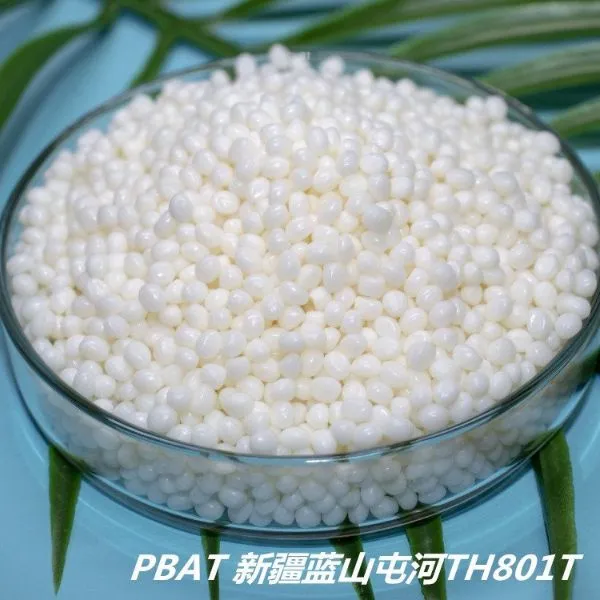
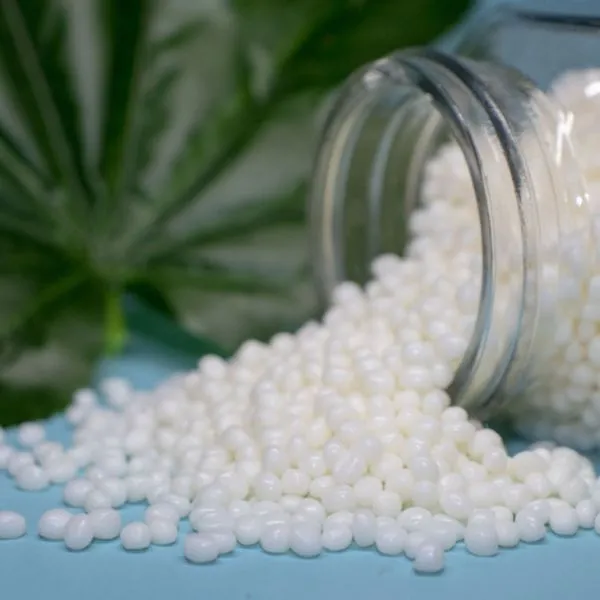
PBAT is a thermoplastic biodegradable plastic whose full name is Polybutylene Adipate Terephthalate (copolymer of polybutylene terephthalate and polybutylene adipate). This material combines the properties of polybutylene adipate (PBA) and polybutylene terephthalate (PBT), so it has good ductility and elongation at break, as well as good heat resistance and impact resistance.
The raw materials of PBAT include 1, 4-butanediol (BDO), adipic acid (AA), and terephthalic acid (PTA), which are produced by direct esterification or transesterification. This material has a semi-crystalline structure, a melting point of about 130 degrees Celsius, and excellent biodegradability. It can be decomposed by microorganisms under appropriate environmental conditions. Due to its eco-friendly nature, PBAT is widely used in manufacturing disposable items like shopping bags, garbage bags, and food packaging.
| Physical Property | Standard | Value | Unit |
|---|---|---|---|
| Density | ISO 1183 | 1.21 | g/cm³ |
| Melt Index (190°C 2.16kg) | ISO 1133 | 2.5~4.5 | g/10min |
| Moisture Content | - | 0.06 | % |
| Mechanical Behavior | Standard | Value | Unit |
|---|---|---|---|
| Tensile Strength | ISO 527 | 25 | MPa |
| Elongation | ISO 527 | 400 | % |
| Thermal Property | Standard | Value | Unit |
|---|---|---|---|
| Vicat Softening Temp (50°C/hr 10N) | ISO 306 | 80 | °C |
| Melting Temperature | ISO 11357 | 116~122 | °C |
PBAT is a versatile biodegradable polymer used to replace traditional non-degradable plastics across various industries:
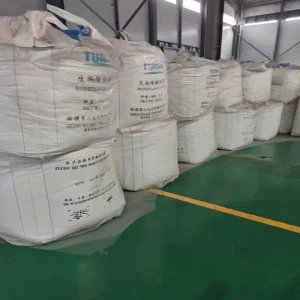
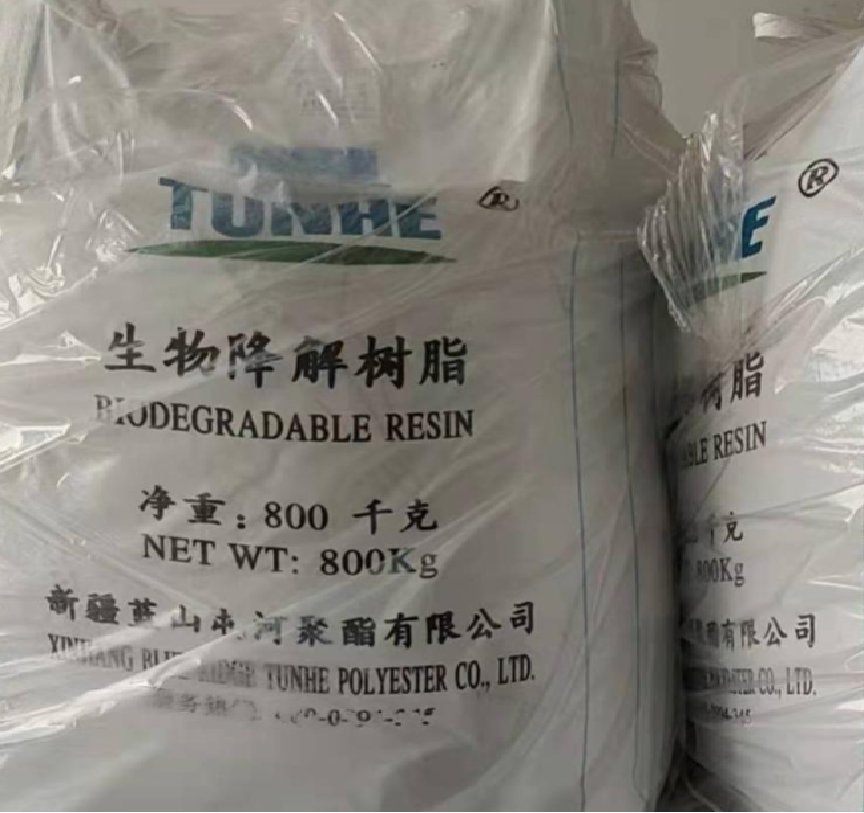
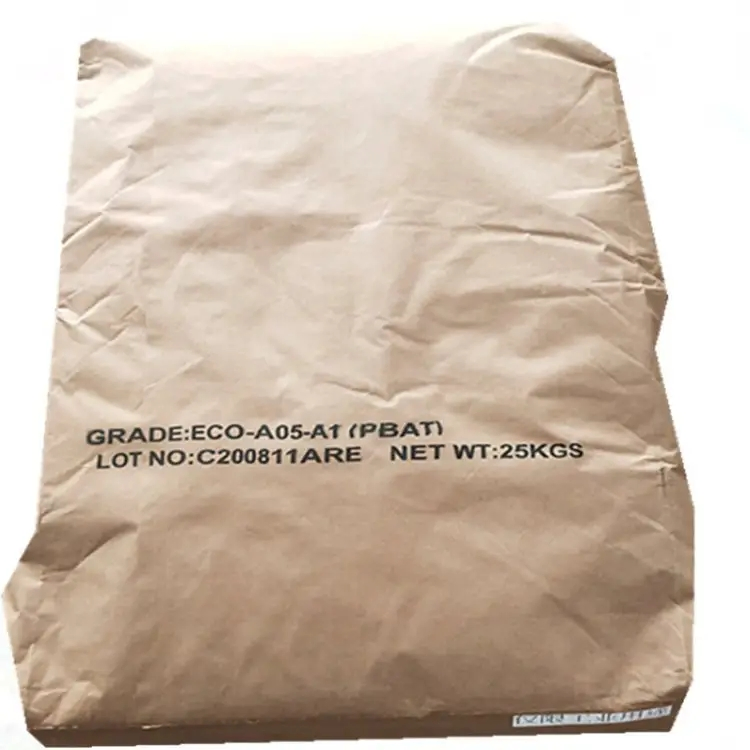
Standard packaging is 25kg/bag, or customized per requirements. Net weight in PP woven or PE plastic bags. Approximately 20 tons per 20" container.

The main advantage is its complete biodegradability. PBAT can be decomposed by microorganisms in the environment, significantly reducing long-term plastic waste and pollution.
Yes, samples are available. Please note that sample fees and freight costs are typically covered by the requester.
Yes, the material properties can be customized according to specific customer requirements and application needs.
All products undergo strict testing procedures according to international standards before shipment to ensure consistent quality and performance.
Normally, orders are delivered within 14 working days after confirmation of order and payment, depending on the specific material grade and quantity.
PBAT should be stored in a cool, dry, and well-ventilated area away from direct sunlight and moisture to maintain its physical properties and shelf life.