What Are Sterile Medical Products Used For in Healthcare?

Time:2026-04-02 Author:Isabella
0%

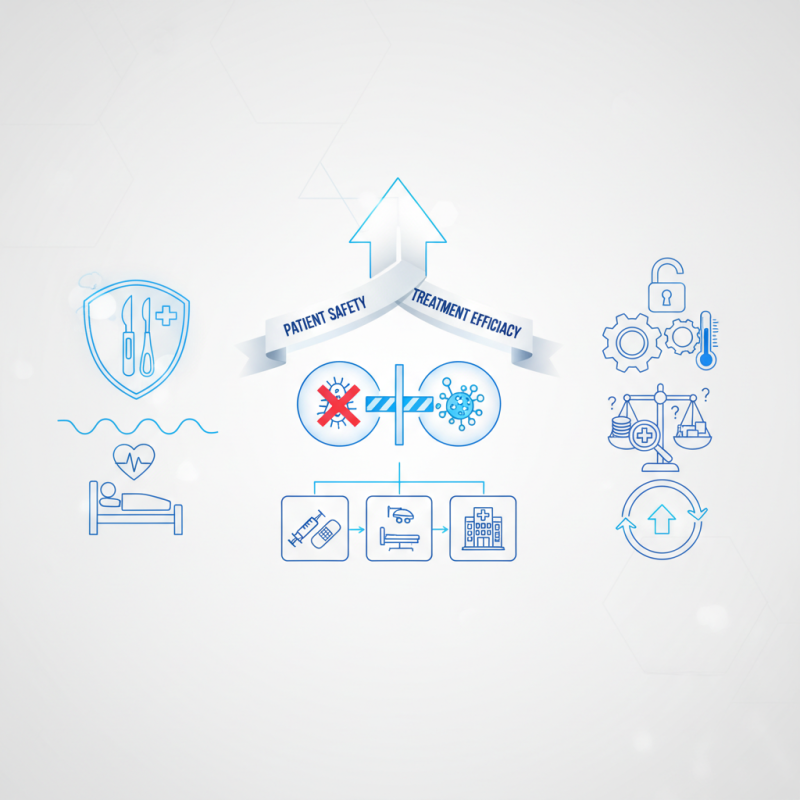
In healthcare, the role of sterile medical products is vital. According to Dr. Jane Smith, a leading expert in sterilization practices, “Sterile medical products are essential for patient safety and treatment efficacy.” Understanding what are sterile medical products used for helps clarify their significance.

Sterile medical products are utilized across various medical settings. They ensure that surgeries and treatments are performed without the risk of infection. This is crucial for vulnerable patients undergoing procedures. Their applications range from surgical instruments to wound dressings.

Despite their importance, there are challenges in ensuring sterility. The process of sterilization must be meticulously monitored. Any lapse can lead to severe consequences. Often, healthcare professionals must find a balance between cost and quality. This ongoing debate highlights the need for continual improvement in sterilization practices.
What Are Sterile Medical Products Used For in Healthcare?

Definition and Characteristics of Sterile Medical Products

Sterile medical products are essential in healthcare for preventing infections. These products are created through processes that eliminate all viable microorganisms. This ensures patient safety, especially during surgeries or invasive procedures. Their characteristics include being packaged in a way that maintains sterility until opened.

Tips: When using sterile products, always check the expiration date. An expired product may not be effective.

Common types of sterile medical products include surgical instruments, implants, and dressings. Each item requires strict adherence to sterilization protocols. For instance, surgical instruments undergo autoclaving, which uses high pressure and temperature to kill bacteria. The reliability of these products rests on continuous quality control measures.

Tips: Always store sterile products in a clean, dry place to maintain their integrity.

Healthcare professionals must be well-trained to handle sterile items. Missteps can lead to contamination. Proper sanitation practices are critical in ensuring the effectiveness of these products. Awareness and education can mitigate risks associated with sterile medical products.

Importance of Sterility in Healthcare Settings

Sterility in healthcare is crucial to prevent infections. In environments like hospitals, any breach in sterility can lead to severe complications for patients. Instruments and products must be sterile before use. This is especially true for surgical tools and implants. The risk of introducing bacteria is high, so healthcare providers prioritize sterilization.

Adherence to sterility protocols is essential, yet challenges exist. Sometimes, staff may overlook proper cleaning techniques. For example, a minor lapse can occur during instrument handling. Staff training must be continuous to ensure everyone understands the importance of sterility. Regular audits and checks should be conducted to maintain high standards.

Infection control also relies on sterile medical products. These products protect patients undergoing invasive procedures. They ensure a barrier against contaminants. However, it’s vital to continually assess sterilization methods. Technologies evolve, and practices may need updates. Reflection on current processes can help improve outcomes in patient care.

What Are Sterile Medical Products Used For in Healthcare? - Importance of Sterility in Healthcare Settings

Product Type Usage Sterility Method Importance of Sterility
Surgical Instruments Used during surgeries to prevent infections. Autoclaving Reduces risk of postoperative infections.
Intravenous (IV) Solutions Administered to patients for hydration and medication delivery. Filtration and aseptic techniques Prevents introduction of pathogens into the bloodstream.
Dressings and Bandages Used to cover wounds and promote healing. Gamma radiation Minimizes wound infection and accelerates recovery.
Implantable Devices Inserted into the body for medical purposes. Ethylene oxide sterilization Critical for preventing infections and complications.
Syringes and Needles Used for injections and blood draws. Sterilization by heat or ethylene oxide Essential to avoid transmission of infections.

Common Applications of Sterile Medical Products in Patient Care

Sterile medical products play a vital role in ensuring patient safety and effective care in healthcare settings. These products are designed to eliminate harmful microorganisms. Common applications include surgical instruments, wound dressings, and intravenous (IV) supplies. Each item must be free from contamination to protect patients during procedures.

During surgeries, for instance, sterile tools are crucial. Surgeons rely on these instruments to minimize infection risks. Proper sterilization protocols are critical but sometimes overlook minute details. Even minor lapses can lead to serious infections. Similarly, sterile wound dressings prevent bacteria from entering injuries, enhancing recovery.

In IV therapy, sterile solutions are essential. They maintain the integrity of medications delivered directly into patients' systems. Here, clear labeling and careful handling are needed to prevent contamination. Medical staff must be vigilant, as lapses can have severe consequences. These instances highlight the importance of constant training and adherence to protocols in using sterile medical products.

Regulations and Standards Governing Sterile Medical Products

Sterile medical products play a crucial role in healthcare. These products are essential for preventing infections during medical procedures. They must meet stringent regulations and standards to ensure patient safety. Various organizations, including national health authorities and international bodies, establish these guidelines.

The regulations governing sterile medical products focus on manufacturing processes, quality control, and proper sterilization techniques. Ensuring sterility is complex. Even minor lapses can lead to severe consequences for patients. Facilities must adhere to Good Manufacturing Practices (GMP) to maintain high standards. Regular audits and inspections are necessary to uphold compliance.

Despite rigorous standards, challenges persist in the industry. Some facilities struggle with maintaining consistent sterility. It’s important for healthcare professionals to remain vigilant. Training and continuous education can help staff recognize potential issues. Building a culture of safety and accountability is vital for improvement.

Challenges in Maintaining Sterility and Best Practices

Maintaining sterility in healthcare is crucial for patient safety. Sterile medical products, such as surgical instruments and implants, must be free from any microorganisms. The Centers for Disease Control and Prevention (CDC) states that healthcare-associated infections (HAIs) affect one in 31 hospital patients on any given day, emphasizing the need for strict adherence to sterilization processes.

One significant challenge in maintaining sterility is equipment handling. Staff may become complacent, leading to breaches in protocols. A study published in the American Journal of Infection Control found that over 40% of healthcare workers do not consistently follow proper sterilization practices. This inconsistency can introduce risks, especially during invasive procedures. Implementing continuous training for healthcare professionals is essential to address this issue.

Environmental factors pose another challenge. Air quality, surface contamination, and even human interactions can compromise sterile environments. According to a report from the World Health Organization (WHO), nearly 50% of surgical site infections are preventable. Best practices, such as regular environmental monitoring and using advanced sterilization technologies, can mitigate these risks. Regular audits and feedback loops should be established to reinforce the importance of maintaining sterility in all medical settings.

FAQS

: Why are sterile medical products important?

: They prevent infections during medical procedures, ensuring patient safety.

What regulates sterile medical products?

National health authorities and international bodies establish guidelines for safety and quality.

What are Good Manufacturing Practices (GMP)?

GMP ensures that facilities maintain high standards in production and quality control.

What are common challenges in maintaining sterility?

Equipment handling and environmental factors can compromise sterile conditions.

How can healthcare professionals improve sterilization practices?

Continuous training helps staff stay aware of sterilization protocols and potential risks.

What impact do healthcare-associated infections (HAIs) have?

They affect one in 31 hospital patients daily, highlighting the need for strict sterilization.

What role does environmental monitoring play?

It helps identify contamination risks and reinforces sterile practices in medical settings.

How often should audits take place?

Regular audits are essential to ensure compliance and maintain high sterility standards.

What can complacency among staff lead to?

It may result in breaches of sterilization protocols, increasing infection risks.

Why is a culture of safety important?

It promotes accountability and encourages continuous improvement in sterile practices.

Conclusion

Sterile medical products are essential components in healthcare, defined by their ability to remain free from viable microorganisms. The importance of maintaining sterility cannot be overstated, as it significantly reduces the risk of infections during medical procedures and enhances patient safety. Common applications of sterile medical products include surgical instruments, intravenous fluids, and wound dressings, which are crucial in patient care settings.

Regulations and standards govern the production and handling of these products to ensure their safety and efficacy. However, challenges persist in maintaining sterility due to factors such as environmental contamination and improper handling practices. To address these issues, best practices must be implemented consistently. Overall, understanding what are sterile medical products used for is vital for effective healthcare delivery and infection control.

Isabella

Isabella

Isabella is a dedicated marketing professional with a sharp focus on driving brand growth and engagement through strategic content creation. With an extensive background in digital marketing, she combines her passion for storytelling with her keen understanding of industry trends to deliver......