Infection prevention is a vital topic in healthcare today. Dr. Linda Greene, a leading expert in infection control, states, "Effective prevention strategies can significantly reduce healthcare-associated infections." This underscores why infection prevention is critical in healthcare. The risks of infections are rising, especially in hospitals and care facilities. Patients are more vulnerable than ever with complex medical procedures and weakened immune systems.
Healthcare environments are breeding grounds for infections. Poor hygiene practices, combined with antibiotic resistance, create a perfect storm. Each infection not only affects the patient but also places a burden on healthcare systems. Addressing these issues is urgent for patient safety.
Many facilities struggle to implement rigorous infection control measures. Staff training, proper sanitation, and adherence to protocols are often inconsistent. Such shortcomings highlight the need for continual education and steadfast commitment. Understanding why infection prevention is critical in healthcare is essential for the well-being of patients and the integrity of healthcare systems.
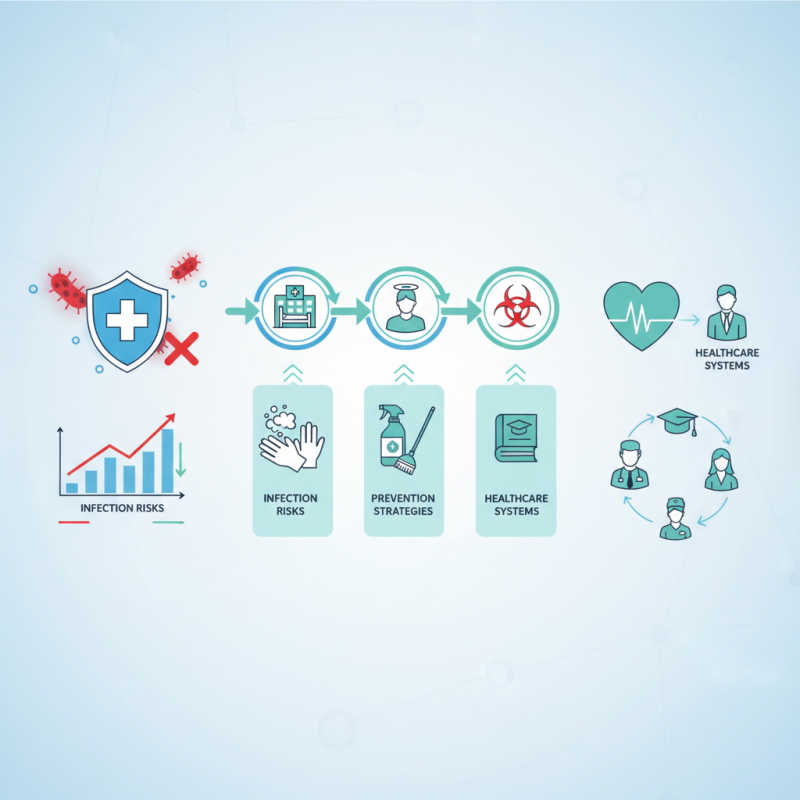
Infection prevention is vital in modern healthcare settings. A 2023 report from the Centers for Disease Control and Prevention (CDC) revealed that healthcare-associated infections (HAIs) affect one in 31 hospital patients daily. These infections can lead to longer hospital stays and increased healthcare costs, often burdening both patients and healthcare systems.
Effective infection prevention strategies can reduce HAIs significantly. For instance, hand hygiene practices are crucial. Clean hands can lower the risk of infections by up to 50%. However, compliance with handwashing guidelines remains inconsistent. A recent study showed that only 40% of healthcare workers followed proper hand hygiene protocols. This gap emphasizes a need for continuous training and reinforcement.
The role of personal protective equipment (PPE) cannot be overstated. PPE serves as a barrier against infections, protecting both patients and healthcare workers. Yet, a survey indicated that 30% of staff felt unprepared or lacked access to adequate PPE at critical times. These findings underscore an urgent requirement for healthcare facilities to improve education on infection prevention and ensure necessary resources are available.
This bar chart illustrates the infection rates per 1,000 patient days across various healthcare settings in 2021. Understanding these rates is crucial for implementing effective infection prevention strategies in modern healthcare.
Healthcare-associated infections (HAIs) are a pervasive issue affecting hospitals globally. These infections can arise from various sources and pose severe risks to patients. They can result from contaminated instruments or the healthcare environment. Patients undergoing surgeries or treatments are particularly vulnerable. The impact of HAIs is profound, leading to longer hospital stays and increased healthcare costs.
One contributing factor is the overuse of antibiotics, which fosters resistant bacteria. The rise of these superbugs complicates treatment options for simple infections. Moreover, complacency regarding hygiene practices, such as handwashing, can increase infection rates. It is critical for healthcare professionals to maintain rigorous infection prevention strategies.
Healthcare facilities must regularly train staff on best practices. Regular surveillance of HAIs can help identify trends and trigger timely interventions. Engaging patients in their care is vital. Clear communication about hygiene protocols and what to expect can empower them. Enhancing overall awareness of HAIs can help cultivate a culture of safety in healthcare settings.
Infection prevention is vital in healthcare settings. Effective control practices can save lives. Understanding key strategies is essential for healthcare professionals. These strategies include proper hand hygiene, using personal protective equipment, and environmental cleanliness. Regular handwashing reduces the spread of harmful germs. Staff should always be aware of their hygiene practices.
Another effective strategy involves thorough sterilization of medical instruments. Inadequate sterilization can lead to severe infections. Education on infection prevention should be ongoing. Healthcare workers must be trained regularly to stay updated with new protocols. It’s also important to engage patients in their care. They should be aware of infection risks and prevention measures.
Healthcare providers often face challenges in implementing these practices. It can be difficult to maintain compliance among all staff members. Yet, fostering a culture of safety is crucial. Regular audits and feedback can help identify gaps. Continuous improvement in infection control can lead to better patient outcomes.
| Strategy | Importance | Implementation Steps | Outcomes |
|---|---|---|---|
| Hand Hygiene | Reduces transmission of infections | Regular training; easy access to handwashing stations | Lower infection rates among patients and staff |
| Use of Personal Protective Equipment (PPE) | Protects healthcare workers and patients | Providing proper training and supplies | Increased safety in patient care environments |
| Environmental Cleaning | Minimizes surface contamination | Regular cleaning schedules and proper disinfectants | Reduced pathogens in healthcare settings |
| Vaccination | Prevents outbreaks of vaccine-preventable diseases | Encouraging staff and patient vaccinations | Lower incidence of infections in healthcare facilities |
| Antibiotic Stewardship | Reduces antibiotic resistance | Educating staff on proper antibiotic use | Improved treatment outcomes and reduced side effects |
Infection prevention in healthcare is paramount. Healthcare workers are on the frontlines, facing the challenges of preventing infections daily. They must adhere to strict protocols to reduce risks. This involves regular hand hygiene, appropriate use of personal protective equipment (PPE), and environmental cleanliness. These simple actions can significantly lower infection rates.
Despite their training, healthcare workers sometimes encounter obstacles. Busy schedules can lead to missed opportunities for handwashing. Staff shortages may cause delays in cleaning procedures. Each of these gaps can contribute to infection spread. Acknowledging these challenges is critical for improvement. Continuous education and reminders about protocols can foster better habits.
Collaboration among staff is essential. Regular meetings can help share experiences and identify areas for growth. Workers should discuss barriers they face in infection prevention. This open dialogue creates a culture of safety. Moreover, attending workshops keeps staff updated on best practices. Embracing both successes and failures allows for a more reliable healthcare environment.
Emerging technologies are reshaping infection prevention in healthcare settings. According to the World Health Organization, healthcare-associated infections affect millions globally each year. New innovations are essential to combat these threats.
One significant advancement is the use of artificial intelligence. AI systems analyze patient data to predict potential outbreaks. This proactive approach can lead to timely interventions. Moreover, machine learning helps in recognizing patterns in infection spread. For instance, studies show that hospitals employing AI tools reported a 30% reduction in infection rates.
Additionally, antimicrobial coatings are becoming common in medical facilities. These coatings kill or inhibit the growth of microbes on surfaces. Research indicates that surfaces treated with these innovations can remain effective for months. However, it’s crucial to reflect on challenges such as the costs involved and the potential for microbial resistance. Investment in training staff on these new technologies is also vital to ensure they are used effectively.
Is)?
Patients undergoing surgeries or treatments are particularly at risk. Their compromised health makes them more susceptible.
HAIs often lead to longer hospital stays. Patients may need additional treatments, increasing overall healthcare costs.
The overuse of antibiotics fosters resistant bacteria. These superbugs complicate treatment for simple infections.
Regular handwashing reduces the spread of harmful germs. It is a simple yet effective infection control measure.
Regular training on best practices is essential. Staff should stay updated on new protocols and procedures.
Engaging patients in their care is vital. Clear communication empowers them to understand risks and prevention measures.
Maintaining compliance among staff can be difficult. Gaps in practices may arise, needing regular audits and feedback.
Continuous improvement in infection control is key. Regularly assessing practices can enhance patient outcomes significantly.
There can be complacency regarding hygiene practices. This highlights the need for ongoing education and awareness.
In today’s healthcare landscape, understanding why infection prevention is critical in healthcare cannot be overstated. Healthcare-associated infections (HAIs) pose significant risks to patient safety, affecting recovery times, increasing hospital costs, and leading to complications that can be life-threatening. Effective infection control practices are essential in mitigating these risks, and healthcare workers play a pivotal role in implementing these strategies.
Key elements in successful infection prevention include adherence to hygiene protocols, vaccination, and the use of personal protective equipment. Moreover, emerging technologies and innovations are enhancing the capabilities of healthcare facilities to prevent infections, ensuring a safer environment for both patients and staff. By prioritizing infection prevention measures, healthcare systems can significantly reduce the incidence of HAIs and improve overall patient outcomes.

SwellMed Medical