In recent years, the medical landscape has evolved significantly. One key innovation is the use of disposable medical products. These items play a crucial role in enhancing patient safety. Understanding how disposable medical products improve safety is essential for healthcare professionals and patients alike.
Disposable items reduce the risk of cross-contamination and infection. They are designed for single-use, ensuring that each patient receives sterile equipment. For instance, disposable syringes and catheters limit exposure to pathogens. This practice safeguards patient health by preventing the spread of diseases.
However, there are challenges with disposables. Over-reliance on them could lead to waste management issues, leaving an environmental footprint. The balance between safety and sustainability needs careful consideration. Healthcare providers must continually assess the implications of using disposables while ensuring they effectively protect patients. Through ongoing research and feedback, the industry can find solutions that refine practices for future advancements.
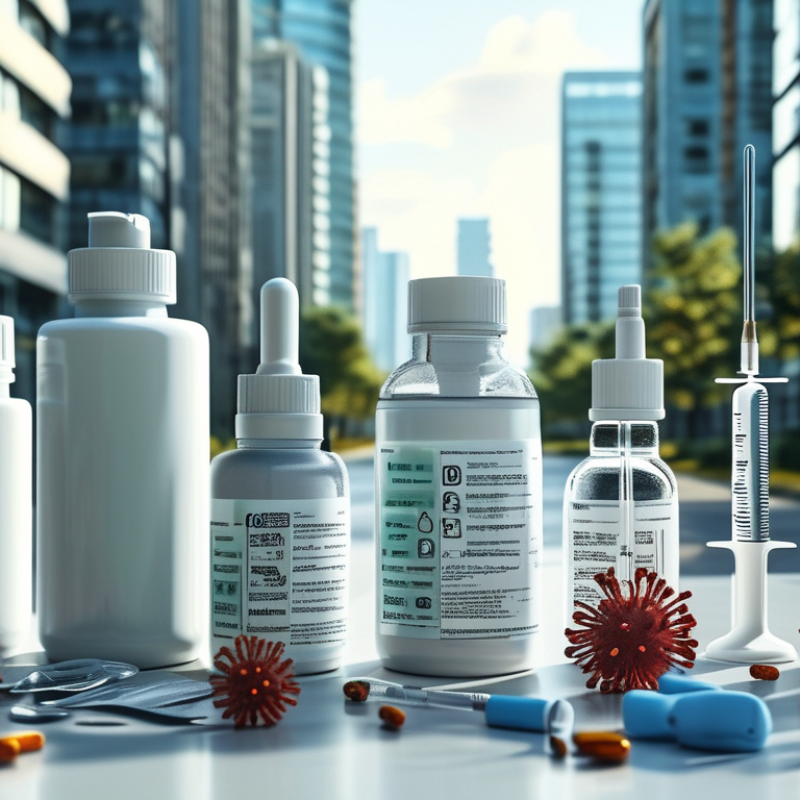
The evolution of disposable medical products has significantly impacted patient safety over the years. In 2026, advanced designs prioritize infection control and user convenience. According to recent industry reports, over 70% of healthcare facilities are shifting toward single-use devices to minimize cross-contamination risks. This shift reflects a growing acknowledgment of the importance of hygiene in clinical settings.
Disposable products now feature innovative materials that meet rigorous safety standards. These advancements help reduce the risk of hospital-acquired infections. A study from the Healthcare Infection Control Journal found that using disposable items can lower infection rates by up to 30%. However, not all facilities have updated their protocols, which raises concerns about consistency in care.
Tip: Regularly train staff on the latest practices for using disposable products. Educating caregivers fosters a culture of safety and minimizes risks. Another suggestion is to monitor stock levels of disposable supplies to avoid running out during critical moments. Emphasizing the necessity for diligence can mitigate potential safety lapses.
Advancements in disposable medical technology are set to significantly enhance patient safety by 2026. One key innovation is the development of smart disposable devices that monitor vital signs in real-time. These devices use sensors to collect data and alert healthcare providers immediately if there are any abnormalities. This kind of rapid response can prevent potential complications. However, it's essential to consider data security and patient privacy in these advancements.
Another noteworthy trend is the incorporation of biodegradable materials in disposable products. These eco-friendly alternatives reduce environmental impact without compromising safety. Yet, the transition to biodegradable materials poses challenges. Manufacturers must ensure these products maintain the same level of sterility and effectiveness as traditional disposables. Stakeholders must also grapple with the cost implications and potential changes in supply chains.
Moreover, innovations in sterilization techniques are improving the safety of disposable goods. Advanced methods, like plasma sterilization, offer quicker and more efficient ways to ensure products are free of contaminants. Still, it raises questions about the scalability of these techniques. Facilities may need to invest heavily to implement these changes. Balancing innovation with practicality remains a critical focus in the healthcare sector as we approach 2026.
Infection control is crucial in healthcare. Disposable medical products play a significant role in minimizing infection risks. According to a report by the World Health Organization (WHO), up to 30% of hospital-acquired infections are linked to reusable medical devices. Disposable items, in contrast, drastically reduce this risk. They are designed for single-use, thus eliminating contamination from previous patients.
Moreover, a study published in the Journal of Hospital Infection indicates that using disposable gloves and gowns can lower the transmission of pathogens by over 60%. This is particularly important in high-risk areas, such as emergency wards or surgical units. While the effectiveness of disposable products is clear, challenges remain. Some healthcare professionals express concerns about waste management and environmental impact. The trade-off between safety and environmental stewardship needs careful consideration.
The shift toward disposable products must also include staff training. Research shows that proper usage and disposal practices are often overlooked. Ensuring that healthcare providers adhere to these protocols can reinforce the benefits of disposables. It's essential to strike a balance between patient safety and sustainable practices as the sector evolves.
| Dimension | Impact | Statistics |
|---|---|---|
| Reduction of Hospital-Acquired Infections (HAIs) | Disposable products minimize contamination risk, leading to lower HAIs. | 30% decrease in HAIs in hospitals using disposable items |
| Cost Efficiency | Lower cleaning and sterilization costs for reusable items. | Savings of 15-20% in overall hospital operating costs |
| User Convenience | Ease of use and immediate disposal post-procedure enhances workflow. | 90% of healthcare professionals prefer disposables for efficiency |
| Environmental Considerations | Reuse of materials can provide a sustainable approach. | 10% of hospitals are adopting eco-friendly disposables |
| Infection Control Protocols | Disposable tools enhance compliance with infection control protocols. | 85% compliance in facilities using disposables |
The landscape of disposable medical products is evolving, especially in 2026. Regulatory standards are critical for ensuring these items enhance patient safety. The FDA has reported that adherence to stringent safety protocols reduces infection rates by up to 35% in clinical settings. These standards require manufacturers to undergo rigorous testing and validation processes. Each product must demonstrate reliability in preventing cross-contamination and maintaining sterility.
Moreover, compliance with ISO 13485 assists companies in establishing a quality management system tailored to medical devices. This ISO standard emphasizes risk management throughout the product lifecycle. Strikingly, a recent industry study indicated that facilities employing ISO-certified disposable products observed a 22% decrease in adverse events. However, gaps still exist in staff training regarding proper usage and disposal. Continuous education on these aspects is essential for maximizing safety.
Notably, despite advancements, challenges remain. Some disposable products fall short in biodegradability, raising concerns about environmental impact. Healthcare institutions must grapple with balancing immediate patient safety with long-term sustainability. As the sector strives for improvement, remaining vigilant about both protocol adherence and environmental responsibility is crucial for future advancements.
In 2026, disposable medical products are expected to play a crucial role in enhancing patient safety. These items are designed to minimize the risk of infections and cross-contamination in healthcare settings. By using single-use products, facilities can significantly reduce the chances of medical errors. Their ease of use fosters quicker response times in emergencies.
Tips: Always check expiration dates before use. Quality control checks are essential and should not be overlooked.
The push for sustainable options will shape the future of disposable products. Innovations may include biodegradable materials that maintain safety standards. However, transitioning to these new materials poses challenges. Not all biodegradable options undergo rigorous safety testing. The healthcare industry must prioritize patient safety while exploring these new avenues.
Tips: Engage with medical professionals about the latest products. Continuous education can help avoid misconceptions about new technologies.
This chart illustrates the projected impact of various factors related to disposable medical products on patient safety in 2026. Each factor's effectiveness is rated on a scale from 0 to 100, highlighting key areas such as infection control and compliance that are enhanced by the use of these products.
: They prioritize infection control and user convenience, significantly enhancing patient safety.
Over 70% are shifting toward single-use devices to reduce cross-contamination risks.
They can lower infection rates by up to 30%, according to industry studies.
Regular training for staff on practices is crucial for maintaining safety and hygiene.
Yes, ensuring sterility and effectiveness while managing costs poses challenges.
Smart devices that monitor vital signs in real-time are being introduced.
They offer quicker contamination-free results but may require significant investment to scale.
Overlooking usage and disposal protocols can undermine the benefits of disposables.
The trade-off between safety and waste management needs careful consideration.
They can lower pathogen transmission by over 60%, essential in high-risk areas.
The article titled "How Disposable Medical Products Enhance Patient Safety in 2026" explores the significant advancements in disposable medical technology aimed at improving safety for patients. It discusses the evolution of these products, highlighting key innovations that have emerged by 2026, which include enhanced materials and design features that reduce the risk of contamination. The impact of these disposable items on infection control within healthcare settings is emphasized, demonstrating how they minimize the potential for hospital-acquired infections.
Furthermore, the article examines the regulatory standards and safety protocols that govern the use of disposable medical products, ensuring their effectiveness and reliability in clinical environments. Looking ahead, it predicts future trends in disposable medical products that will continue to enhance patient outcomes. Overall, the discussion centers on how disposable medical products improve safety, reinforcing their critical role in modern healthcare.

SwellMed Medical