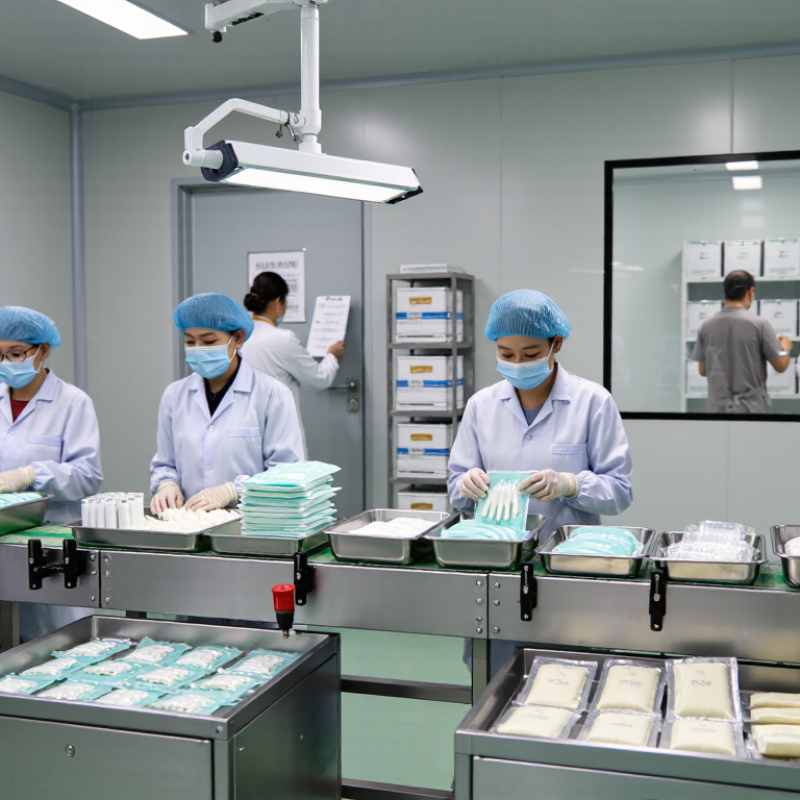
Contamination control begins long before a medical supply reaches a patient. It starts with careful design, verified materials, reliable manufacturing, and disciplined storage. How China best medical supplies reduce contamination risks depends on more than low prices or modern packaging. It requires traceable production, clean manufacturing areas, validated sterilization, and documented quality checks. Manufacturers must control raw materials, monitor production air, and inspect seals for tiny defects. A damaged pouch can expose a sterile instrument before use. That risk is easy to underestimate.
Healthcare facilities also carry significant responsibility. They must select suppliers with transparent certifications, consistent batch records, and practical post-market support. This is where how healthcare facilities reduce contamination risks becomes essential. Staff can inspect packaging, check expiration dates, separate clean and used items, and follow approved storage conditions. Temperature, humidity, dust, and handling pressure can all affect product safety. Gloves, masks, gowns, syringes, wound dressings, and surgical instruments need different controls. One method cannot fit every product.
The strongest approach combines supplier evidence with daily clinical experience. Quality teams should review audits, sterilization records, complaint trends, and independent testing when appropriate. Standards matter, but paperwork alone cannot replace observation. A sealed package may still be mishandled in a crowded storeroom. Small gaps happen. Continuous training, honest reporting, and corrective action help close them. This article examines how high-quality medical supplies from China can support safer workflows, while recognizing that product quality and facility practice must work together.
Medical supplies can look clean and still carry invisible contamination risks. Porous materials, open seams, and damaged seals create hiding places for microbes. Moisture is another concern. Condensation inside a carton can weaken packaging and support microbial growth. Heat, dust, and poor ventilation may also reduce protection during storage. Single-use items become especially vulnerable after packaging is opened or crushed. Small failures matter.
In practical supply reviews, handling often creates more risk than manufacturing. Workers may touch sterile surfaces, reuse gloves, or place packages on unclean tables. Transport adds pressure, vibration, and temperature changes. A reliable supplier should document sterilization controls, lot traceability, seal testing, and storage limits. Independent inspections and recognized quality systems provide stronger evidence than attractive packaging. Still, paperwork cannot replace careful receiving checks. Inspectors should examine tears, wet cartons, broken seals, and unclear labels.
Contamination can also enter through rushed cleaning, poor airflow, or incorrect assembly. Medical facilities need clear procedures for opening, storing, and discarding supplies. Training should include realistic details, such as keeping cartons off the floor. Yet no process is perfect. A missing temperature record or overlooked pinhole can change the risk assessment. That uncomfortable gap deserves review, not denial. Repeated defects should trigger a documented investigation before the next shipment is accepted.
Chinese medical manufacturers increasingly design supplies around exposure control, not appearance alone. This matters because the World Health Organization’s 2022 Global Report on Infection Prevention and Control estimates that 7 in 100 acute-care patients in high-income countries acquire at least one healthcare-associated infection. In low- and middle-income countries, the estimate rises to 15 in 100.
The World Health Organization’s 2022 Global Report on Infection Prevention and Control estimates that 7 in 100 acute-care patients in high-income countries acquire at least one healthcare-associated infection. In low- and middle-income countries, the estimate rises to 15 in 100.
Manufacturers limit exposure through sealed seams, low-lint fabrics, fluid-resistant layers, and tighter packaging controls. A surgical gown may use overlapping closures around the neck and wrists, while masks often include adjustable nose bridges to reduce side leakage. Gloves are commonly packed in separated compartments, reducing contact during removal. Small details matter. Cleanroom production, batch traceability, and visual inspection also support quality systems aligned with ISO 13485 and ISO 14971 principles.
Manufacturers limit exposure through sealed seams, low-lint fabrics, fluid-resistant layers, and tighter packaging controls. A surgical gown may use overlapping closures around the neck and wrists, while masks often include adjustable nose bridges to reduce side leakage.
Gloves are commonly packed in separated compartments, reducing contact during removal. Small details matter. Cleanroom production, batch traceability, and visual inspection also support quality systems aligned with ISO 13485 and ISO 14971 principles.
A sealed package is not a guarantee. Handling errors, poor storage, or incorrect sizing can still compromise protection. Fit testing and simulated-use checks should therefore accompany laboratory results. Some factories are improving with automated leak testing and digital lot records, but consistency remains uneven across suppliers. This is where buyers need evidence: independent test reports, sterilization records, material specifications, and corrective-action histories. The design may look convincing, yet the real test happens when a wet sleeve, torn wrapper, or rushed removal exposes the user.
How China’s Best Medical Supplies Reduce Contamination Risks
Before medical supplies leave a controlled facility, sterilization must match the product, packaging, and intended use. Steam autoclaving is widely used for heat-resistant metal instruments and some reusable components. Pressurized saturated steam reaches defined temperatures and exposure times, killing microorganisms through moist heat. Staff verify chamber readings, load patterns, and biological indicators during scheduled validation. Small details matter. Moisture, trapped air, or an overloaded tray can weaken the process.
For heat-sensitive plastics, electronic parts, or delicate assemblies, ethylene oxide may be selected. It penetrates complex spaces at lower temperatures, but aeration is essential because residues must fall within specified limits. Facilities monitor gas concentration, humidity, exposure time, and residual levels before release. Radiation sterilization, including gamma or electron-beam treatment, is often applied to sealed, single-use products. The dose is mapped across the load to confirm that the least-exposed area receives enough energy.
Vaporized hydrogen peroxide can serve certain compatible devices and enclosed chambers. Not every product tolerates it. Material compatibility testing is necessary. After treatment, packaging integrity remains critical. Inspectors look for punctures, failed seals, moisture, and damaged indicators before distribution. Each batch should have traceable records linking the cycle, operators, equipment, and release decision. Yet no method is flawless. A practical weakness is assuming a validated cycle stays reliable forever. Calibration, maintenance, environmental monitoring, and periodic requalification can expose process drift before it becomes a patient-safety problem.
Packaging and storage often determine whether a medical product remains safe after production. The World Health Organization’s Global Report on Infection Prevention and Control 2022 estimates that seven in 100 acute-care patients in high-income countries acquire healthcare-associated infections. The rate can reach 15 in 100 in low- and middle-income countries. These figures make packaging control more than a factory requirement.
Reliable manufacturers in China should validate sterile barriers under ISO 11607. They test seal strength, microbial barrier performance, transport vibration, and aging conditions. A pouch may look clean, yet a tiny seal channel can admit contamination. Small failures matter. Packaging materials also need controlled storage away from moisture, dust, direct sunlight, and sharp temperature changes. Desiccant placement, carton strength, and pallet spacing deserve practical attention.
Storage records should include temperature, humidity, batch numbers, and inspection results. The World Health Organization’s 2024 Global Patient Safety Report states that about one in ten patients experiences harm during healthcare delivery. Not every event comes from packaging, but preventable weaknesses can increase risk. Suppliers should use warehouse mapping and first-expiry, first-out controls. Still, no system is perfect. Overreliance on printed expiration dates can hide damage caused during shipping. Regular audits, realistic transport simulations, and staff training provide stronger assurance than paperwork alone.
Reliable medical supplies require more than a clean production room. Quality teams verify each control with documented evidence. They monitor air particles, surface hygiene, water quality, and personnel practices. Samples may undergo bioburden or endotoxin testing before release. Sterile products also require validated sterilization cycles and sealed packaging checks. Small details matter.
Traceability supports every decision. A lot record should connect raw materials, equipment settings, inspection results, and trained operators. Independent laboratory testing can strengthen confidence when results affect patient safety. Internal audits compare actual procedures with approved requirements and applicable medical-device standards. When a deviation appears, teams investigate the cause, document corrective action, and confirm that the solution works. Compliance is not a certificate on a wall.
Tips: Check the package seal before use. Look for damaged cartons, unusual moisture, or unclear lot information. Ask whether cleaning methods are validated, not merely performed. Keep test records easy to retrieve. A rushed visual inspection can miss contamination. No control system is flawless. Human error remains possible, especially during busy shifts, so refresher training and second-person checks are valuable. Quality managers should also review complaint trends, because repeated minor issues may reveal a larger process weakness. Reliability grows through evidence, honest review, and steady improvement.
Packaging protects products from microbes, moisture, dust, and physical damage. A tiny seal channel can allow contamination. Small failures matter.
Testing should examine seal strength and microbial barrier performance. Transport vibration and aging conditions also need simulation. A clean-looking pouch is not always safe.
Store products away from moisture, dust, direct sunlight, and sharp temperature changes. Leave space between pallets for airflow and inspection. Cartons should remain dry and structurally sound.
Records should show temperature, humidity, batch numbers, and inspection results. Warehouse mapping can reveal hot or damp areas. Paperwork alone is not enough.
It helps use products with earlier expiry dates before newer stock. Staff should still inspect shipping damage. Printed dates cannot reveal every hidden problem.
They monitor air particles, surface hygiene, water quality, and personnel practices. Some samples receive bioburden or endotoxin testing. Cleaning must be validated, not merely performed.
Lot records should connect materials, equipment settings, inspections, and trained operators. Independent testing can add confidence when safety is important. Missing links create uncertainty.
Check the seal, carton, moisture level, and lot information. Do not use unclear or visibly damaged packaging. A rushed inspection may miss contamination.
They should investigate the cause and document corrective actions. The solution must be checked afterward. No control system is flawless. Human error remains possible.
China’s best medical supplies reduce contamination risks through a combination of thoughtful design, controlled manufacturing, and strict quality verification. Medical products can be exposed to microorganisms, particles, moisture, or handling-related impurities during production, transportation, and use. To limit these risks, manufacturers often use clean production environments, sealed or protective components, smooth surfaces, and designs that minimize unnecessary contact. Materials are selected for durability, compatibility with sterilization, and resistance to moisture or chemical exposure.
Before distribution, supplies may undergo validated sterilization methods such as steam, ethylene oxide, or radiation, depending on the product and its material requirements. Protective packaging helps maintain sterility by preventing damage, leakage, and environmental exposure, while appropriate storage conditions preserve product quality until use. Quality controls, including microbial testing, visual inspection, process monitoring, and documentation reviews, help verify cleanliness and compliance with applicable requirements. Together, these measures support how healthcare facilities reduce contamination risks and use medical supplies more safely.

SwellMed Medical